Root Canal Treatment in Mohali & Chandigarh: Procedure, Cost, Pain, Recovery & Complete Guide
Severe tooth pain, swelling, or sensitivity can make eating and sleeping difficult. Root canal treatment does not cause pain - it removes the infection causing it. Polydental Clinic in Mohali provides comfortable rotary RCT treatment for patients across Chandigarh and Tricity, including single-sitting root canals for eligible cases under experienced dental specialists.
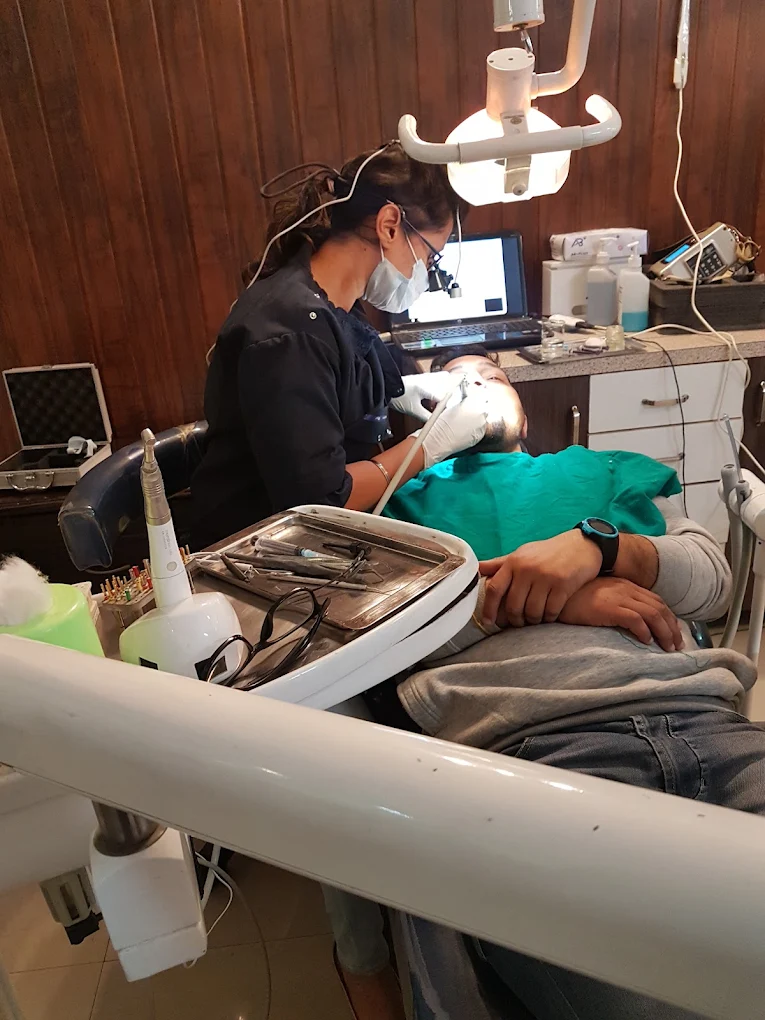
Modern Endodontics
Microscope-assisted root canal & rotary endodontics
What Is A Root Canal?
Root Canal Treatment (RCT) is a dental procedure that removes infected tissue from inside a tooth and saves the natural tooth from extraction. Every tooth contains a visible crown above the gums and one or more roots beneath the gums. Inside these roots are narrow canals filled with dental pulp, which contains nerves, blood vessels, and connective tissue that help the tooth develop during early growth. When bacteria enter the pulp through a deep cavity, a cracked tooth, repeated dental procedures, or trauma to the mouth, the pulp becomes infected and inflamed. This infection often causes severe toothache, throbbing pain, swelling, sensitivity to hot or cold foods, and discomfort while biting or chewing. In some cases, infection can spread further and form a dental abscess near the root tip.
Although dental pulp is important during tooth development, a fully developed adult tooth can continue functioning normally without it because surrounding tissues continue supplying nourishment and support. Root canal treatment removes the infected pulp while preserving the outer tooth structure, which helps maintain normal chewing function and prevents tooth loss. During root canal treatment, the dentist first numbs the area around the tooth before creating a small opening through the crown. The infected pulp is removed, and the root canals are carefully cleaned, disinfected, and shaped before being sealed with a biocompatible material called gutta-percha. A dental crown is usually placed afterwards to strengthen the treated tooth and protect it from fracture during regular use.
When Do You Need A Root Canal?
Understand the symptoms, clinical warning signs, and why early diagnosis is critical.
Root canal infections usually begin with mild symptoms before progressing into severe pain, swelling, or abscess formation. Early warning signs often include lingering sensitivity to hot or cold foods and drinks. Normal tooth sensitivity fades quickly after the trigger disappears, while infected pulp commonly causes pain that continues for several seconds or even minutes afterwards. Mild aching while chewing, discomfort while biting, or occasional sharp pain around one tooth can also indicate a developing infection inside the pulp.
As the infection progresses deeper into the tooth, symptoms usually become more intense and persistent. Many patients experience spontaneous throbbing pain without eating or drinking anything, especially at night while lying down. Pain that wakes you from sleep or starts suddenly without a trigger is often associated with irreversible pulp infection. Some patients also notice swelling around the gums, tenderness when touching the tooth, a pimple-like bump on the gums releasing pus, bad taste in the mouth, facial swelling, or pain spreading toward the jaw, ear, or surrounding teeth. In advanced cases, the tooth may darken in colour or begin feeling slightly loose because of infection around the root.
A tooth infection will not heal on its own. Painkillers and antibiotics may temporarily reduce symptoms, though they do not remove the infected tissue inside the tooth causing the problem. Waiting for swelling to reduce or hoping the pain will disappear often allows the infection to spread further into the surrounding bone and soft tissues.
Self-diagnosing the need for root canal treatment is not possible through symptoms alone because some infected teeth cause severe pain while others remain relatively painless despite deep infection. Only a dentist can confirm whether root canal treatment is necessary through clinical examination and dental X-rays. Patients experiencing lingering sensitivity, spontaneous pain, swelling, pus discharge, or pain spreading into the jaw or face should schedule a dental appointment immediately rather than waiting for symptoms to worsen.
Severe, Spontaneous Pain
Lingering Cold/Hot Sensitivity
Biting / Chewing Discomfort
Gum Swelling or Abscess
What Happens During a Root Canal Treatment Procedure?
Root canal treatment at Polydental Clinic in Mohali follows a structured process designed to remove infection, preserve the natural tooth, and restore comfortable chewing function. Modern RCT procedures use local anaesthesia, rotary instruments, digital imaging, and precision cleaning systems that make treatment significantly more comfortable and predictable than most patients expect.
Diagnosis and X-Ray
Root canal treatment begins with clinical examination and dental X-rays to confirm whether the pulp inside the tooth is infected. Dentists commonly use IOPA (periapical) X-rays and, in some cases, OPG scans to evaluate the tooth and surrounding bone structure. The X-ray helps identify the depth of decay, the number and shape of root canals, and whether infection has spread beyond the root tip into the surrounding bone. A dark shadow near the root usually indicates a periapical abscess caused by long-standing infection. Additional tests may include checking sensitivity to hot and cold temperatures, gently tapping the tooth to assess inflammation, and using electric pulp testing to determine whether the nerve tissue inside the tooth is alive or necrotic. These findings help determine whether the tooth qualifies for single-sitting root canal treatment or requires multiple visits because of severe infection, pus accumulation, or bone involvement.
Cleaning and Shaping the Root Canal
After numbing the tooth and the surrounding area with local anaesthesia, the dentist isolates the tooth using a rubber dam. This thin protective sheet keeps the tooth dry and prevents contamination during the procedure. A small opening is created through the crown of the tooth to access the infected pulp tissue inside the canals. Fine instruments called endodontic files remove the damaged pulp, bacteria, and infected debris from inside the roots. Modern rotary endodontic systems use motorised files that clean and shape the canals more efficiently and precisely than traditional manual methods. Throughout the procedure, the canals are repeatedly flushed with disinfecting solutions such as sodium hypochlorite to eliminate bacteria and organic debris. Polydental Clinic in Mohali may also use apex locators to measure root canal length electronically and digital RVG imaging to monitor cleaning accuracy during treatment. These technologies improve precision and help reduce procedural errors in complex root anatomy cases.
Filling and Sealing the Tooth
Once the canals are completely cleaned, disinfected, and dried, they are filled with a biocompatible material called gutta-percha. This rubber-like material seals the canals internally and prevents bacteria from re-entering the root system. The access opening created during treatment is then sealed with a temporary or permanent filling. At this stage, the source of infection has been removed, and the natural tooth structure remains preserved inside the mouth instead of being extracted.
Crown Placement After Root Canal
A root canal-treated tooth usually requires a dental crown afterwards, especially when the treated tooth is a molar or premolar involved in chewing pressure. The pulp inside the tooth previously supplied hydration and nourishment to the dentine structure. After root canal treatment, the tooth gradually becomes more brittle and vulnerable to fracture over time. A dental crown protects the treated tooth by covering the outer structure and distributing chewing forces more evenly. The crown also protects the root canal seal from leakage and significantly improves the long-term survival of the tooth. Choosing not to place a crown after root canal treatment on a back tooth is one of the most common causes of root canal failure. In many cases, the root canal itself remains successful, though the untreated tooth structure fractures because it was left unprotected afterwards.
How Many Sittings Are Required?
Single-sitting root canal treatment is possible for many routine cases where infection remains limited and there is no active pus drainage or extensive bone destruction. Straightforward root anatomy, acute infection without abscess formation, and stable tooth structure usually allow treatment completion in one visit. Single-sitting RCT reduces the number of appointments and lowers the risk of contamination between visits. Multiple-sitting root canal treatment may become necessary when the infection is severe, pus drainage is present, bone loss appears around the roots, or the canal anatomy is unusually narrow, curved, or calcified. In these situations, medicated material is placed inside the canals between appointments to reduce bacterial infection before final sealing. The dentist determines whether single-sitting or multiple-sitting treatment is more suitable after clinical examination and X-ray evaluation. Most routine root canal cases qualify for single-sitting treatment using modern rotary RCT techniques.
Does A Root Canal Hurt?
A properly performed root canal treatment should not hurt because the tooth and surrounding area are completely numbed with local anaesthesia before the procedure begins. Most patients feel pressure or vibration during treatment rather than pain. In reality, the severe toothache patients fear usually comes from the infection inside the tooth, and root canal treatment removes that source of pain. Many patients say the pain before treatment was significantly worse than the procedure itself. Once the infected pulp is removed and the pressure inside the tooth reduces, the constant throbbing pain, sensitivity, and discomfort usually improve quickly.
Without anaesthesia, root canal treatment would be painful because the procedure involves removing infected nerve tissue from inside the tooth. This is why experienced dentists never begin pulp removal until the area is fully numb. In some severely infected teeth, inflammation can reduce the effectiveness of standard anaesthesia temporarily. Additional numbing techniques or supplementary injections may then be used to ensure complete comfort before treatment continues. Patients should immediately tell the dentist if they feel sharp pain during the procedure because it usually means additional anaesthesia is required. A competent dentist does not continue treatment while the patient is in pain.
Mild soreness, tenderness while biting, or slight sensitivity around the treated tooth for 2-5 days after root canal treatment is normal while the surrounding tissues heal. This discomfort is usually manageable with prescribed medication or common pain relievers such as ibuprofen or paracetamol. Taking the pain medication before the anaesthesia completely wears off often controls discomfort more effectively than waiting for pain to begin. Patients should avoid chewing on the treated side until the final crown is placed because the tooth remains structurally weaker during this stage. Cold compresses applied externally along the jaw may help reduce mild swelling during the first 24 hours after treatment. Slight discomfort while chewing for a few days is common, though worsening pain after the third day, visible swelling, fever, or persistent throbbing requires immediate dental review at Polydental Clinic in Mohali.
Root Canal Recovery & Aftercare
Most patients recover comfortably after root canal treatment within a few days, though complete healing inside the bone around the tooth takes longer.
Expected Recovery Timeline & Food Choices
During the first 1-2 days, the numbness gradually wears off and the treated tooth may feel slightly sore or sensitive while chewing. By days 3-5, most discomfort reduces significantly and patients usually return to normal eating and daily activities. Around the first week, most pain and tenderness resolve completely while the temporary filling remains in place until crown placement. In abscess or multi-sitting root canal cases, healing inside the surrounding bone may continue for 3-6 months and is monitored through follow-up X-rays before the final restoration is completed.
Food choices during the first 24-48 hours can make recovery more comfortable. Soft foods such as curd, dal, khichdi, soft roti, bananas, mashed vegetables, rice, soup, and cold lassi are usually easier to tolerate immediately after treatment. Patients should avoid chewing on the treated side and avoid hard foods such as nuts, raw vegetables, ice, or papad that can crack the temporary filling or weaken the tooth. Sticky foods such as chewing gum or pull-type sweets can also dislodge temporary restorations. Normal eating usually resumes once the final crown is placed.
Healing after root canal treatment happens in stages. Symptom relief usually occurs within the first week as inflammation reduces around the tooth. Deeper tissue healing near the root tip and surrounding bone commonly takes several months and may be monitored through follow-up dental X-rays, especially in teeth that had abscesses or bone infection before treatment. Treatment completion usually involves placing the final dental crown within 2-4 weeks after root canal treatment, although abscess cases may require longer healing observation before permanent crown placement.
Do's & Don'ts Checklist
| Do | Don’t |
|---|---|
| Take prescribed medicines exactly as directed | Stop antibiotics early because pain improved |
| Brush gently around the treated tooth | Ignore a loose or missing temporary filling |
| Eat soft foods for the first 48 hours | Chew on the treated tooth before crown placement |
| Contact the clinic if pain worsens after day 3 | Apply heat externally to the swelling |
| Rinse gently with warm salt water | Delay crown placement after RCT |
| Attend your crown appointment on time | Smoke during the healing period |
Root Canal Treatment Cost In Mohali
Prices vary based on the number of canals inside the tooth. Molars have more canals than front teeth.
| Treatment | Starting From | Typical Range |
|---|---|---|
| Single Sitting RCT - Front Tooth | ₹6,000 | ₹6,000 - ₹9,000 |
| Single Sitting RCT - Premolar | ₹8,000 | ₹8,000 - ₹10,000 |
| Single Sitting RCT - Molar | ₹10,000 | ₹10,000 - ₹15,000 |
| Multiple Sitting RCT - Molar | ₹11,000 | ₹11,000 - ₹16,000 |
| Re-RCT (Retreatment) | ₹12,000 | ₹12,000 - ₹18,000 |
| RCT + PFM Crown | ₹15,000 | ₹15,000 - ₹22,000 |
| RCT + Zirconia Crown | ₹22,000 | ₹22,000 - ₹30,000 |
The number of canals inside the tooth remains the biggest factor affecting root canal treatment cost. Front teeth usually contain one canal, premolars often contain one or two canals, and molars commonly contain three or four canals, requiring more cleaning, shaping, and sealing time. Chronic infections, pus formation, abscesses, or complex root anatomy can also increase treatment cost because these cases often require multiple visits, additional medication inside the canals, and closer healing monitoring. Re-root canal treatment generally costs more than first-time RCT because old filling materials and hidden infection must be removed carefully before retreatment begins.
The type of dental crown placed after RCT also significantly affects total treatment cost. PFM crowns provide durable and economical protection, while zirconia crowns offer superior aesthetics, strength, and metal-free restoration for visible teeth and long-term cosmetic results. Polydental Clinic in Mohali explains root canal treatment and crown costs clearly before treatment begins. Many patients experience confusion when quoted only the RCT price initially and later discover crown placement costs separately. Presenting the complete RCT plus crown cost upfront helps patients understand the full treatment plan and make informed decisions without unexpected expenses later.
Root Canal FAQ
Root canal treatment should not feel painful during the procedure because the tooth and surrounding area are completely numbed with local anaesthesia beforehand. Most patients feel pressure or vibration rather than pain. Mild soreness for 2-5 days after the treatment is normal. The severe pain patients associate with root canals usually comes from the infection itself, and the treatment removes that source.
Single-sitting root canal treatment usually takes around 60-90 minutes, depending on the tooth and the number of canals involved. Molars with complex root anatomy may require longer appointments. Multiple-sitting cases generally involve 2-3 visits. Crown placement commonly takes place within 2-4 weeks after the final RCT appointment in straightforward healing cases.
Saving the natural tooth through root canal treatment is usually better than extraction whenever the tooth remains structurally restorable. Natural teeth preserve jawbone support, maintain bite stability, and prevent neighbouring teeth from shifting. Extraction may appear cheaper initially, though replacement options such as implants or bridges often increase long-term treatment costs significantly.
Single-sitting root canal treatment is possible for many patients when infection remains limited and there is no significant pus accumulation or severe bone destruction. Straightforward canal anatomy also improves eligibility for one-visit treatment. Single-sitting RCT reduces appointments, lowers recontamination risk, and allows faster progress toward final crown placement after treatment.
Patients should wait until the local anaesthesia wears off completely before eating to avoid accidentally biting the cheek or tongue. Soft foods are usually recommended for the first 48 hours after treatment. Chewing on the treated side should be avoided until the final crown is placed to reduce fracture risk.
Mild soreness while biting during the first few days after root canal treatment is normal because tissues surrounding the root tip remain inflamed temporarily. This discomfort usually improves within 3-5 days. Worsening pain, swelling, fever, or throbbing discomfort after several days requires immediate dental review to assess healing and rule out persistent infection.
Start Your Healing Journey
In pain? Book a same-day emergency appointment — we'll assess your tooth, take an X-ray, and relieve your pain today.